Republic of Kazakhstan
Email: ccasc@kimep.kz
This weekly section provides an overview of key political, economic, and social developments across the five Central Asian states. It highlights the region’s most relevant policy trends, international engagements, and sectoral updates in areas such as energy, digital development, environment, and finance. The section is compiled and edited by Maryam Agharabi, Coordinator of the China & Central Asia Studies Center. For enquiries, you may contact maryam.agharabi[a]kimep.kz.
This week, Central Asian media outlets reported on several critical trade and diplomatic stories, such as Pakistan and Afghanistan finalising a preferential trade agreement, the Mongolian President’s visits to Kyrgyzstan and Tajikistan, and the EU and Tajikistan initialing an Enhanced Partnership and Cooperation Agreement. They also covered crucial energy stories, such as Azerbaijan’s SOCAR agreeing to start oil exploration in Uzbekistan’s Ustyurt region, Uzbekistan becoming a net electricity exporter despite domestic shortages, and natural gas production falling. Several outlets noted multiple important financial stories, such as Kazakhstan’s Halyk Bank acquiring a 49% share in the Uzbekistani fintech firm Click and growing calls for Kazakhstan’s National Bank to intervene and stabilize the Tenge.
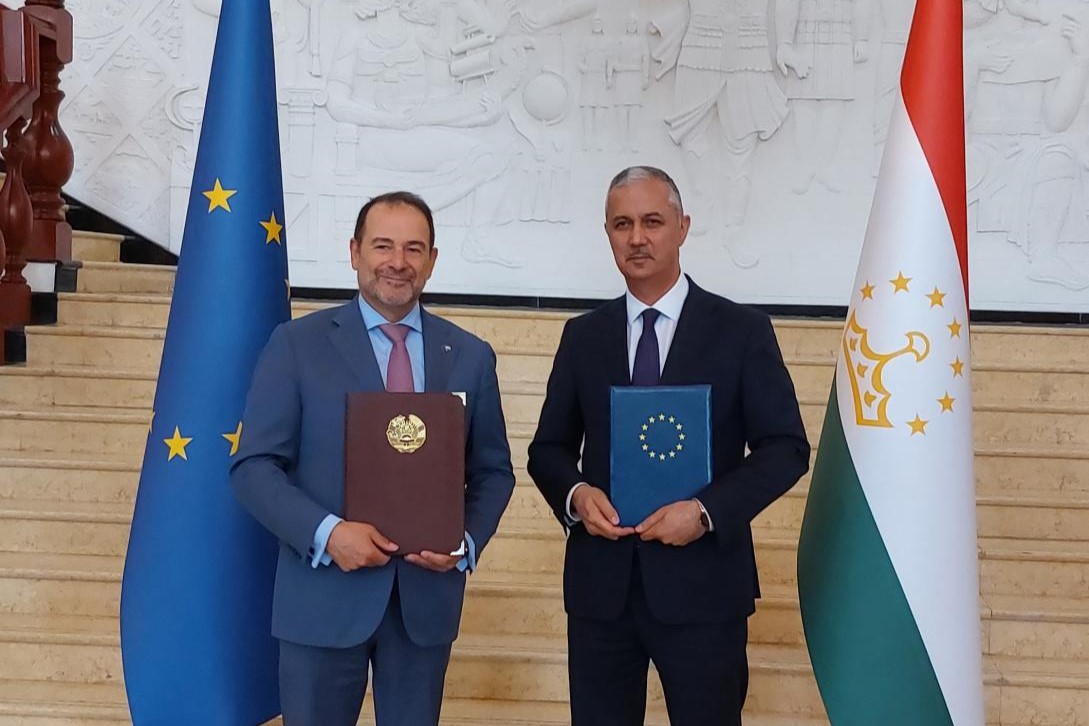
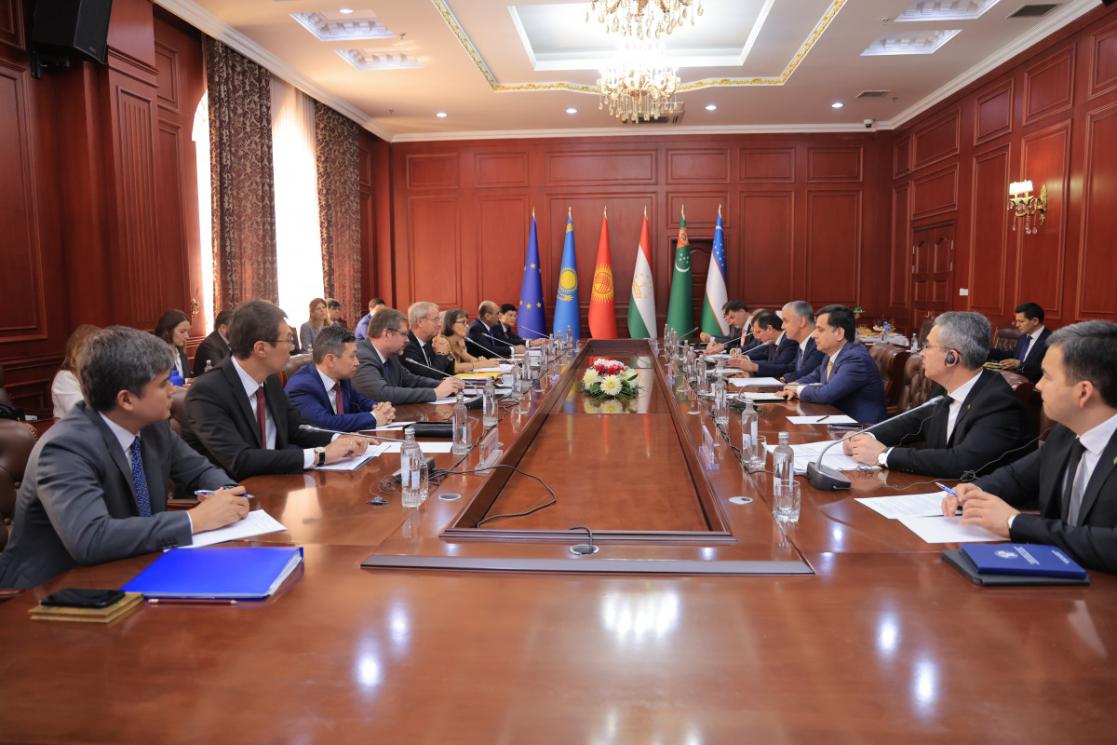
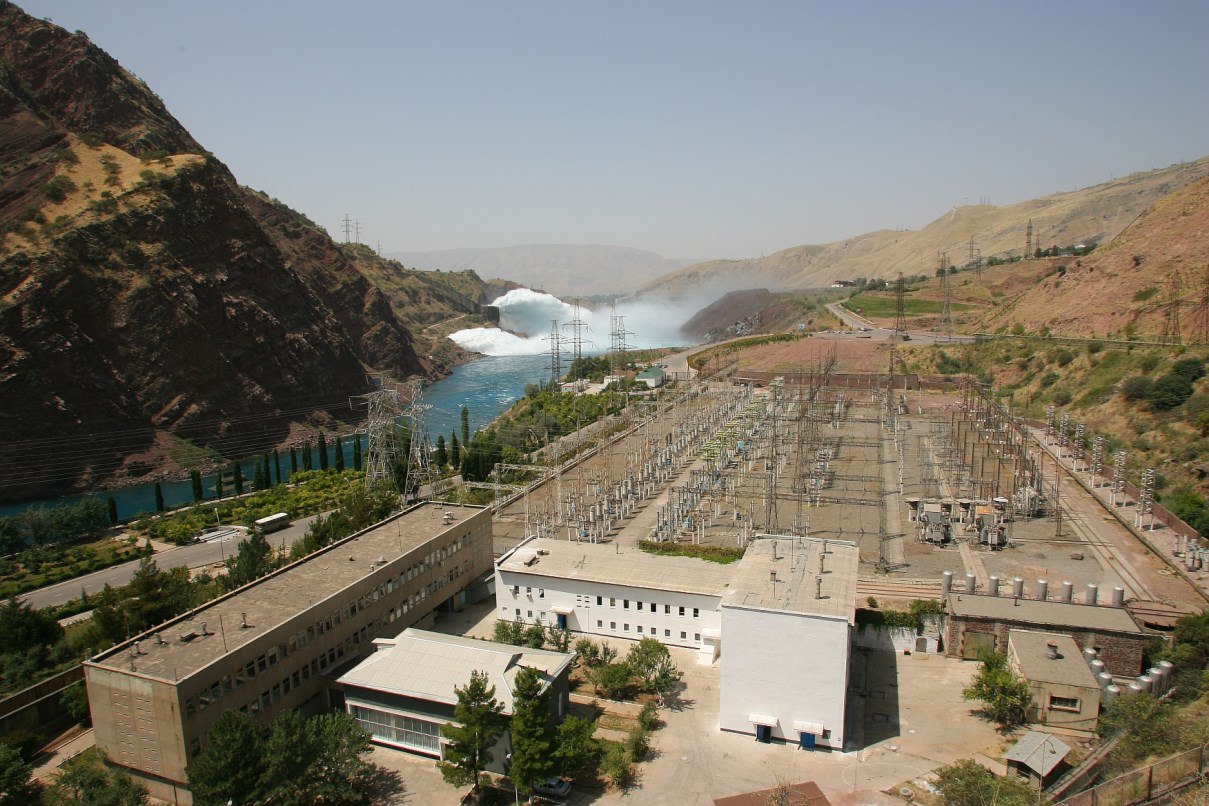
This week, the media in Central Asia reported on several critical energy and environmental stories, such as Tajikistan’s approval of a deal to provide electricity from the Rogun HPP to Uzbekistan, Kazakhstan beginning negotiations to renew its production-sharing agreements with crucial international energy investors, and the World Bank forecasting heat-related deaths to dramatically increase across the region. They also covered several important trade stories, such as China replacing Russia as Tajikistan’s largest trading partner and Uzbekistan, Afghanistan, and Pakistan agreeing to conduct a feasibility study for the future Trans-Afghan railway. Other sources reported on diplomatic events, such as the meeting of the SCO foreign ministers and the EU-Central Asia High-Level Dialogue.
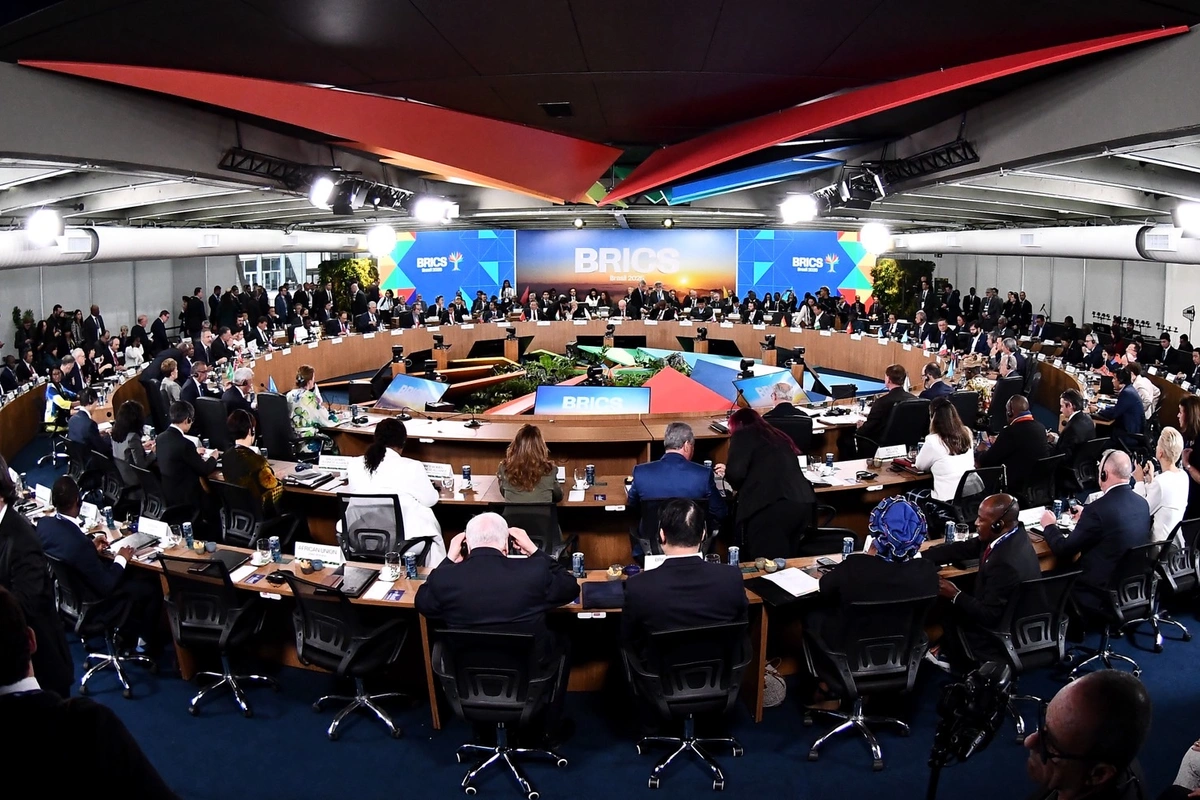
This week, the media across Central Asia reported on several critical diplomatic events, such as Kyrgyzstani President Sadyr Japarov’s visit to Tajikistan, and Uzbekistan and Kazakhstan officially becoming BRICS partner countries. They also covered Kazakhstan and Afghanistan finalizing an investment agreement regarding the Trans-Afghan railway and Tajikistan’s renewed interest in joining the China-Kyrgyzstan-Uzbekistan railway project. Several outlets noted that Condor Energies will construct Kazakhstan’s first LNG plant. Others analyzed the implications of the U.S. applying a 25% tariff on imports from Kazakhstan. Lastly, they reported on Tajikistan ordering all Afghan refugees to leave the country within 15 days.
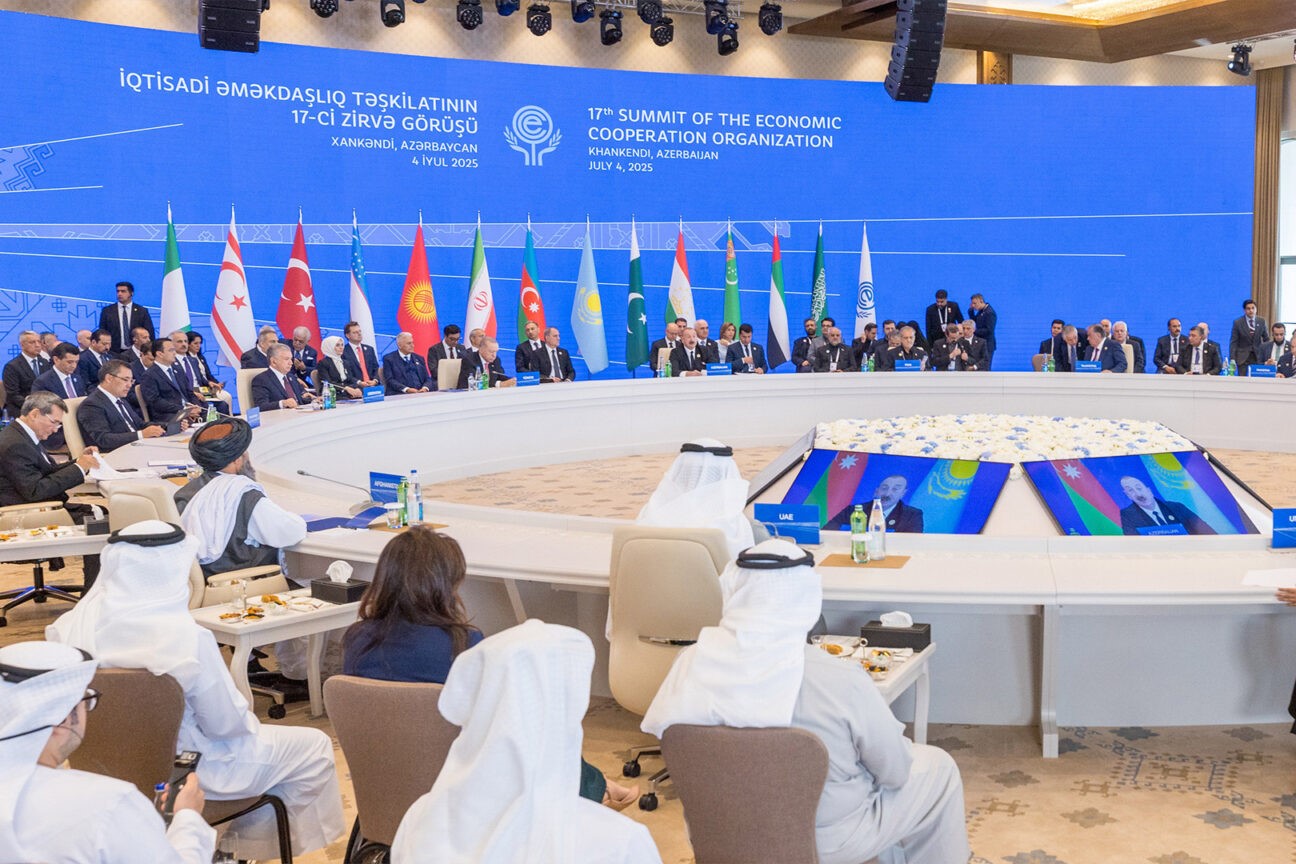
The week, the media in Central Asia reported on multiple critical diplomatic events, including the ECO summit in Khankendi, Azerbaijan, President Mirziyoyev’s state visit to Azerbaijan, President Japarov’s visit to Moscow, the CSTO Foreign Ministers’ Council meeting in Cholpon-Ata, Kyrgyzstan, and Russia’s recognition of the Taliban-led government in Afghanistan. They also covered several energy and investment stories, such as Kazakhstan’s announcement that investment rose by 10% last year, Uzbekistan, Kazakhstan, and Azerbaijan launching a new joint venture to realize the Central Asian Green Energy Corridor project, and Kazakhstan’s commissioning of a new uranium processing plant. Other sources also noted that inflation remained steady at 8.7% in June.
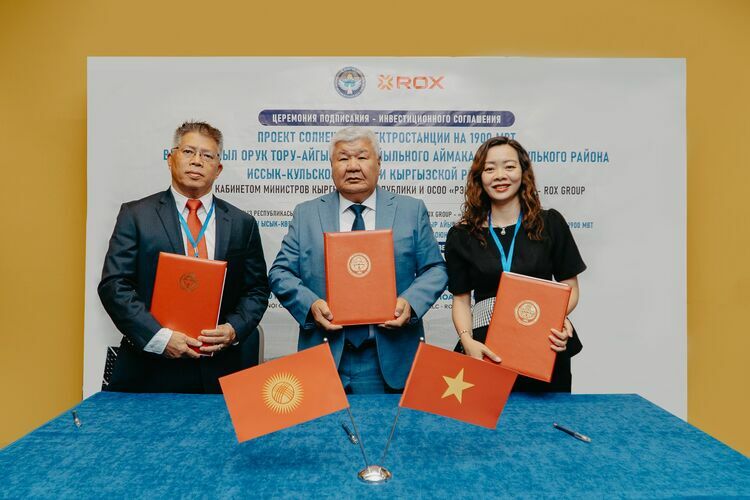
This week, the media in Central Asia covered several diplomatic events, such as Uzbekistani President Mirziyoyev’s visit to Mongolia, Kyrgyzstani President Sadyr Japarov’s visit to Malaysia, and the meeting of the Supreme Eurasian Economic Council in Minsk. They also reported on various critical investment stories, including the President of the EBRD’s visit to Astana, Eximbank providing $500 million to modernize Uzbekistan’s telecommunication network, the decline of oil and gas investment in Kazakhstan, and the World Bank loaning $101 million to aid Kyrgyzstan’s energy reforms and $150 million to construct small HPPs in Uzbekistan.
This week, the media across Central Asia reported on numerous critical diplomatic, trade, and investment stories, such as the China-Central Asia Summit in Astana, the China-Central Asia Industrial and Investment Cooperation Forum, and the China-Central Asia Business Council meeting. They also covered several important energy stories, such as the Taliban cancelling an oil exploration deal with a Chinese company, Russia writing off $300 million of Tajikistan’s electricity debt, Uzbekistan commissioning a new wind power plant and a small HPP, and the Uzbekistani-French joint venture Nurlikum Mining, led by the French company Orano, announcing it will begin mining uranium ore in 2025. Several outlets also noted that Kazakhstan started constructing its new center-west highway and postponed plans to build a new gas processing plant at the Karachaganak oil field as talks broke down with international investors.
This week, the media across Central Asia covered several important diplomatic stories, such as the visits of Bulgarian President Rumen Radev and Slovakian Prime Minister Robert Fico to Uzbekistan and Kazakhstan and the visit of Kazakhstani Foreign Minister Murat Nurtleu to Washington D.C. They also reported on multiple critical trade and investment events, such as the Tashkent International Investment Forum, the EBRD’s plan to invest $1.1 billion in Uzbekistan in 2025, and Kyrgyzstan and India signing a new Bilateral Investment Treaty. Several outlets also noted Kazakhstan’s announcement that Rosatom will construct the country’s first NPP, while China’s CNNC will lead the construction of its second. Others reported on Rosatom expanding its footprint in Uzbekistan, announcing the construction of a large-scale NPP alongside the small modular plant it is already building. Lastly, multiple sources noted Kazakhstan’s discovery of another 38 mineral deposits.
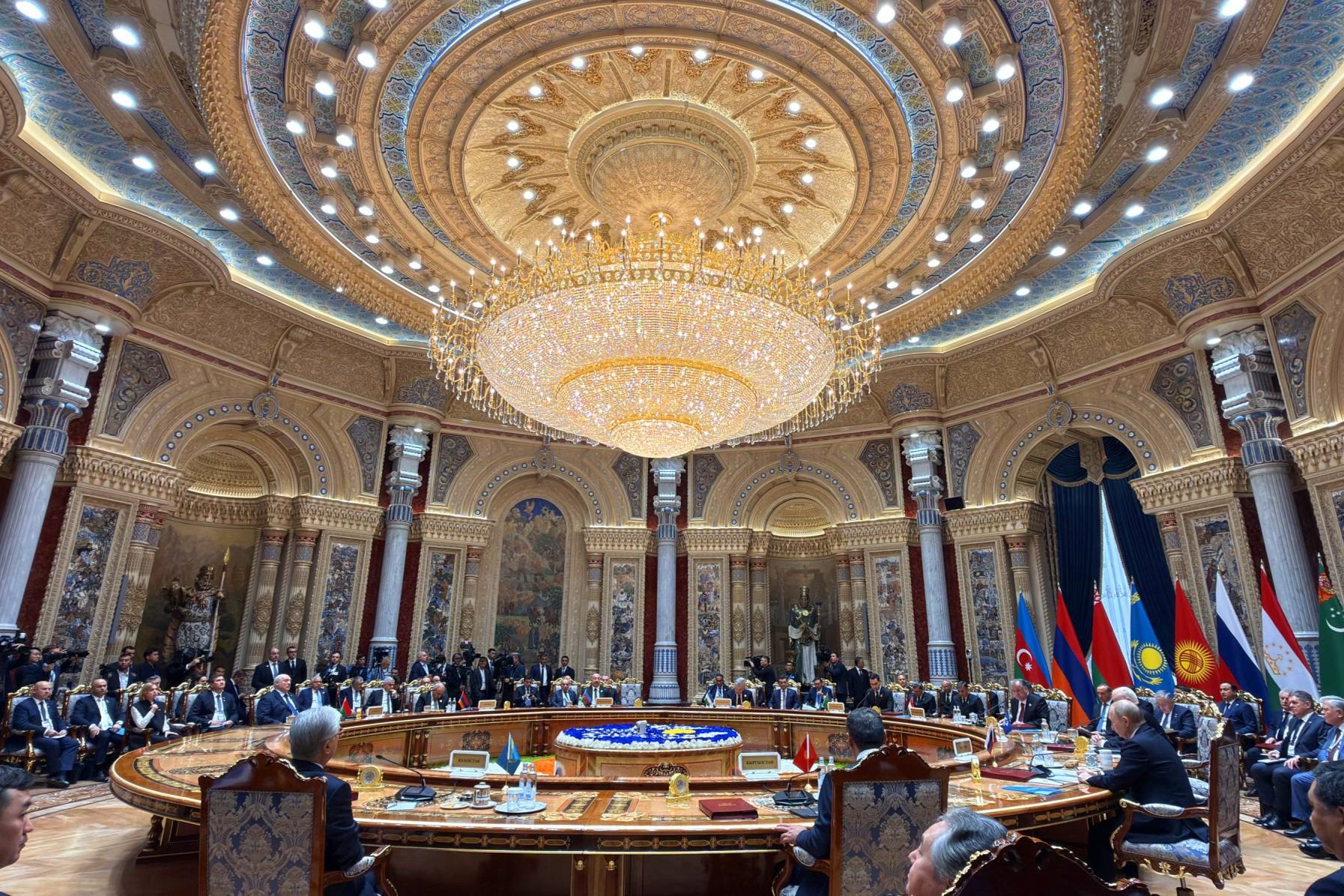
Last week, the media in Central Asia covered several important diplomatic and investment stories. For instance, the India-Central Asia Business Council met in New Delhi, the China-Central Asia Interregional Forum took place, and the CIS Heads of Government met in Dushanbe. Kazakhstan also announced that it would receive $280 million from the UN Green Climate Fund. They also reported on the increase in cargo transit through Kazakhstan, and Japan and Uzbekistan agreeing to cooperate in training 10000 medical specialists. Several outlets also noted numerous important energy stories, including Kyrgyzstan commencing construction on its first wind power plant, Kazakhstan holding talks with Chinese companies on increasing gas production, several Chinese companies winning new oil and gas deposits at auction in Kazakhstan, and Kazakhstan pressuring international energy firms to buy more local goods and services. Other sources reported on ERG announcing a substantial new copper deposit and the continued rise in inflation across the region.